Okay, so check this out—I’ve been fussing with hardware wallets for years, and somethin’ about the way people talk about “backup” makes my skin crawl. Wow! Really? The language is slippery and the stakes are literal. On one hand you have staking rewards that whisper promises of passive income, and on the other hand you have cold storage that feels like a vault you pray to. On the one other hand, users mix up convenience and safety all the time—though actually, that mix-up is exactly where most losses happen.
Whoa! My first instinct when I started staking from a hardware wallet was excitement. Hmm… but then reality set in—fees, lockups, and the risk surface around the delegation process. Initially I thought staking from cold storage was just “set it and forget it,” but then I realized that managing delegated validators and updating firmware can create gaps you otherwise wouldn’t have. Seriously? Yes. Those operational gaps are where social engineering or careless backups bite you.
Short version: you can stake safely, but you have to separate three layers: the asset custody layer (cold storage), the access layer (seed phrase and PIN), and the operational layer (staking, validator choices, software interfaces). Here’s a road-tested approach—I’m biased, but it works for me and for many pro friends in the US crypto scene.
Cold storage is not just “offline”—it’s about minimizing online attack vectors and controlling who touches the seed. Really? Yes. Keep your primary seed in a device that never connects to the internet unless you absolutely need to sign a transaction. Short hardware wallets are purpose-built for this. Medium-length firmware updates are okay, but plan them. Long thought: treat the hardware device like a safe deposit box—frequent casual checks are fine, but avoid unnecessary exposure, and when you do connect, make sure the environment is trustworthy, such as a clean, personal laptop that you control and that has up-to-date security patches.
Here’s what bugs me about casual cold storage: people think a paper seed in a kitchen drawer equals security. Nope. Paper degrades, gets photographed, and sometimes gets tossed out with junk mail. Wow! Seriously. Use durable backups and diversify their locations. Consider metal backup plates or stamped steel solutions that resist fire, water, and time. Also—oh, and by the way—putting every backup in the same house is still a single point of failure; spread them geographically if possible.
Short phrase: protect the seed. Here’s the thing. Most wallets still export BIP39 words; that list of words equals access to everything. Medium: create multiple redundancies without creating more attack surface—use two-of-three multisig if you want true operational security, and if you prefer single-sig, split the seed words across separate physical backups. Long: think in threat models—what are you defending against? theft, natural disaster, coercion, or simply forgetting where you put it? Each requires a different mix of secrecy and redundancy, and you should write that down somewhere safe (not alongside the seed!).
My instinct said “memorize the seed” when I first started. Actually, wait—let me rephrase that—I tried memorizing, and failed after six months. I’m not superhuman. So instead I went with a hybrid: a metal backup in a bank safe deposit box and a second encrypted backup in a trusted family member’s possession, after explicit legal and social agreements. That approach may be overkill for some, but it solved my worry about fire and family tragedy.
One practical trick: label backups with innocuous identifiers, not “crypto seed” or similar. Don’t store backups next to your recovery passphrase for your email. Keep the metadata minimal. Short tip: use a sealed envelope method if you must, but don’t rely on envelopes long-term.
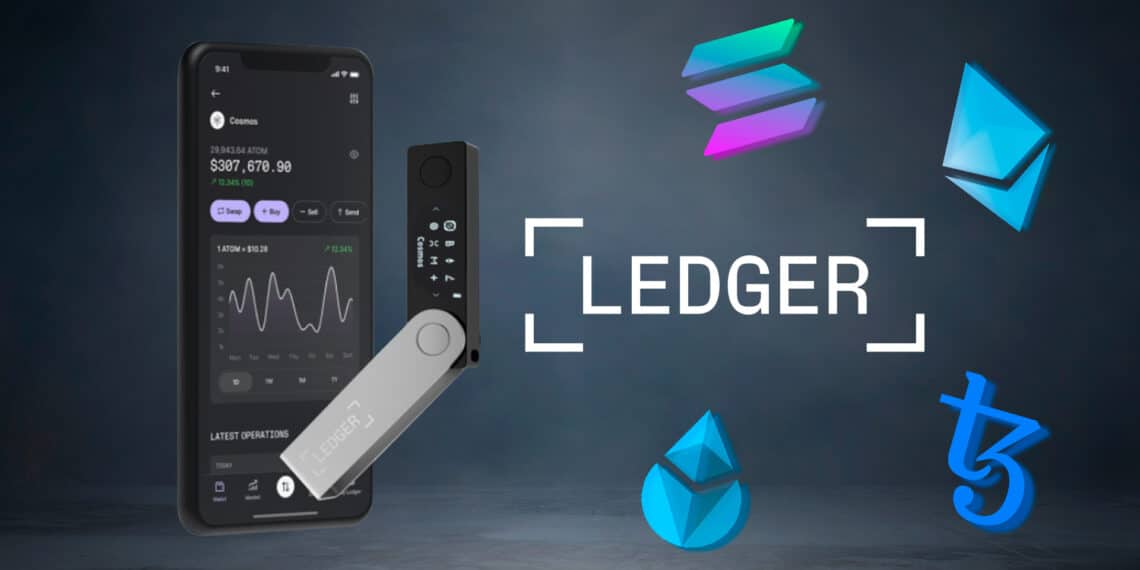
Staking through a hardware wallet changes the workflow, and not always in obvious ways. Wow! You can delegate without moving funds to an exchange. Medium: that reduces custodial counterparty risk, but adds complexity—delegation transactions still require signing and sometimes periodic re-staking or claiming rewards. Longer thought: if your staking protocol supports on-chain compounding, be mindful of the gas fees and the device interaction cost; sometimes the “compounding” isn’t worth it if every interaction costs you a chunk of yield.
My friends and I favor delegating to reputable validators with clear slashing policies and transparent performance metrics. Something felt off about validators who advertise huge returns with little transparency. On one hand high APY is tempting; on the other hand you could be courting concentration risk or tacit collusion. Initially I thought “highest yield wins,” but then realized that uptime, validator diversity, and community reputation matter more for long-term safety.
Operationally, use a dedicated staking interface that supports hardware wallets. For example, many users pair Ledger or Trezor devices with desktop or web apps; if you use a Ledger device, you can manage some staking flows through ledger live as part of a broader workflow—this keeps the signing on your hardware and the UI separate, which is good. I’m not saying ledger live is perfect; it has quirks and feature gaps, but keeping the signing isolated is the point.
Update your device firmware, but verify sources. Wow! Seriously—do not click a random “update” link. Medium: check official vendor channels, verify release notes, and confirm checksums when available. Long: perform updates in a known-good environment, and ideally test on a secondary device or testnet before updating your primary, especially if the update touches staking or validator features; the rare firmware bug can brick devices or, worse, open new attack vectors.
One thing that bugs me: people delay updates because they’re lazy, and then panic when an old version stops being supported. I get it—life gets busy. But schedule maintenance windows. Set calendar reminders. Make it routine like oil changes for your car.
Multisig is the gold standard for high security. Really? Yep. Short: with multisig, a single compromised backup doesn’t lose everything. Medium: many hardware wallets now support multisig setups through companion apps and co-signers across devices. Long: multisig increases complexity—recovery paths are harder to document, and onboarding new co-signers requires trust and coordination. If you set up a 2-of-3 with one device in a safe deposit box, one with a trusted friend, and one in cold storage at home, you dramatically reduce single points of failure while keeping operational flexibility.
I’ll be honest—multisig is not for everyone. It involves more education and rehearsal. But if you hold significant value, invest the time. Practice a dry-run recovery once a year. Don’t learn in a crisis.
Yes. Many chains allow delegation and staking via signed transactions from your hardware wallet, so you keep custody. However, you still need to interact with staking interfaces and periodically manage those delegations. Keep your device updated, and use trusted interfaces to avoid malicious dapps.
Use durable backups (metal plates or stamped storage), split locations geographically, avoid obvious labeling, and consider multisig if you require stronger safeguards. Practice recovery and keep a written recovery plan separate from the seed itself.
Okay, to wrap this in a way that doesn’t sound like a formal wrap-up—I’m less tidy than that. Here’s my final gut-say: guard the seed like a real-world key, but plan for life. Hmm… unexpected things happen—divorce, fire, family squabbles. Design for the messy stuff. Put checks in place, rehearse recovery, and don’t chase the highest yield without understanding the trade-offs. I’m not 100% sure on every nuance, and some parts of this landscape change fast, but those practices have protected me and many people I trust. So yeah—be practical, be paranoid in the right places, and keep learning…
 Client Login